
Understanding car insurance is crucial for every driver. Car insurance provides financial protection against accidents, theft, and other unforeseen events. In the U.S., about 6 million crashes are reported by police every year, leading to significant financial and personal losses. Despite this, 13% of drivers remain uninsured. This blog aims to provide valuable facts about car insurance to help readers make informed decisions. Is it worth having car insurance? Absolutely, as it offers peace of mind and essential financial protection.
The Basics of Car Insurance
What is Car Insurance?
Definition and Purpose
Car insurance provides financial protection for drivers. It covers costs related to accidents, theft, and other damages. Insurance companies offer policies that help pay for repairs and medical expenses. Car insurance also protects against legal liabilities.
Types of Car Insurance Coverage
Car insurance comes in various forms. Liability coverage pays for damages to others if the policyholder causes an accident. Collision insurance covers damage to the policyholder's car after an accident, regardless of fault. Comprehensive insurance pays for non-collision-related damages, such as theft or natural disasters. Personal injury protection (PIP) and medical payments coverage handle medical expenses for the policyholder and passengers, no matter who caused the accident. Underinsured motorist coverage helps cover medical bills when the other driver lacks sufficient insurance.
Why Car Insurance is Necessary
Legal Requirements
Most states require drivers to have car insurance. Laws mandate at least a minimum amount of liability coverage. This ensures that drivers can pay for damages they cause to others. Driving without insurance can lead to fines, license suspension, and other penalties.
Financial Protection
Car insurance offers essential financial protection. Accidents can result in high repair costs and medical bills. Without insurance, drivers must pay these expenses out of pocket. Insurance policies help cover these costs, reducing financial stress. Comprehensive and collision coverage provide additional protection for the policyholder's vehicle. Personal injury protection and medical payments coverage ensure that medical expenses are manageable.
Is it worth having car insurance?
Is it worth having car insurance?
Financial Protection Benefits
Car insurance provides significant financial protection. Accidents can lead to expensive repairs and medical bills. Car insurance helps cover these costs. Without insurance, drivers must pay out-of-pocket expenses. This can cause financial hardship. Liability coverage protects against legal claims from other parties. Comprehensive coverage includes protection from theft, fire, and natural disasters. Collision coverage pays for repairs to the policyholder's vehicle. Personal injury protection covers medical expenses for the driver and passengers.
Peace of Mind
Car insurance offers peace of mind. Knowing that financial protection exists reduces stress. Drivers feel more secure on the road. Insurance policies provide a safety net. This allows drivers to focus on driving safely. Car insurance also ensures compliance with legal requirements. This avoids fines and penalties. Overall, car insurance contributes to a worry-free driving experience.
Understanding Car Insurance Premiums
Factors Affecting Premiums
Driver's Age and Experience
Insurance companies consider a driver's age and experience when calculating premiums. Younger drivers, especially those under 25, usually face higher premiums. This group is statistically more likely to be involved in accidents. In contrast, older and more experienced drivers often receive lower rates. Experience on the road reduces the likelihood of accidents, making these drivers less risky to insure.
Vehicle Type and Usage
The type of vehicle and its usage also impact insurance premiums. Sports cars and luxury vehicles typically cost more to insure. These cars have higher repair costs and are more attractive to thieves. Conversely, family sedans and SUVs often have lower premiums. These vehicles are considered safer and less expensive to repair. How a vehicle is used also matters. Cars driven for business purposes may incur higher premiums than those used for personal reasons. High mileage can also increase premiums due to the greater risk of accidents.
Ways to Lower Your Premiums
Safe Driving Discounts
Safe driving can lead to significant discounts on car insurance. Many insurers offer discounts for drivers with clean records. Avoiding accidents and traffic violations demonstrates responsible behavior. Some companies provide usage-based insurance programs. These programs use telematics devices to monitor driving habits. Drivers who exhibit safe behaviors, such as obeying speed limits and avoiding hard braking, can earn discounts. Usage-based insurance can save drivers up to 20-30% on premiums.
Bundling Policies
Bundling multiple insurance policies with the same provider can reduce premiums. Many insurers offer discounts for customers who purchase both auto and home insurance. Bundling simplifies the management of policies and payments. It also provides an opportunity for additional savings. Customers should compare bundled rates with individual policy rates. Ensuring that coverages, limits, and deductibles match up is crucial when comparing rates.
Different Types of Car Insurance Coverage
Liability Coverage
Bodily Injury Liability
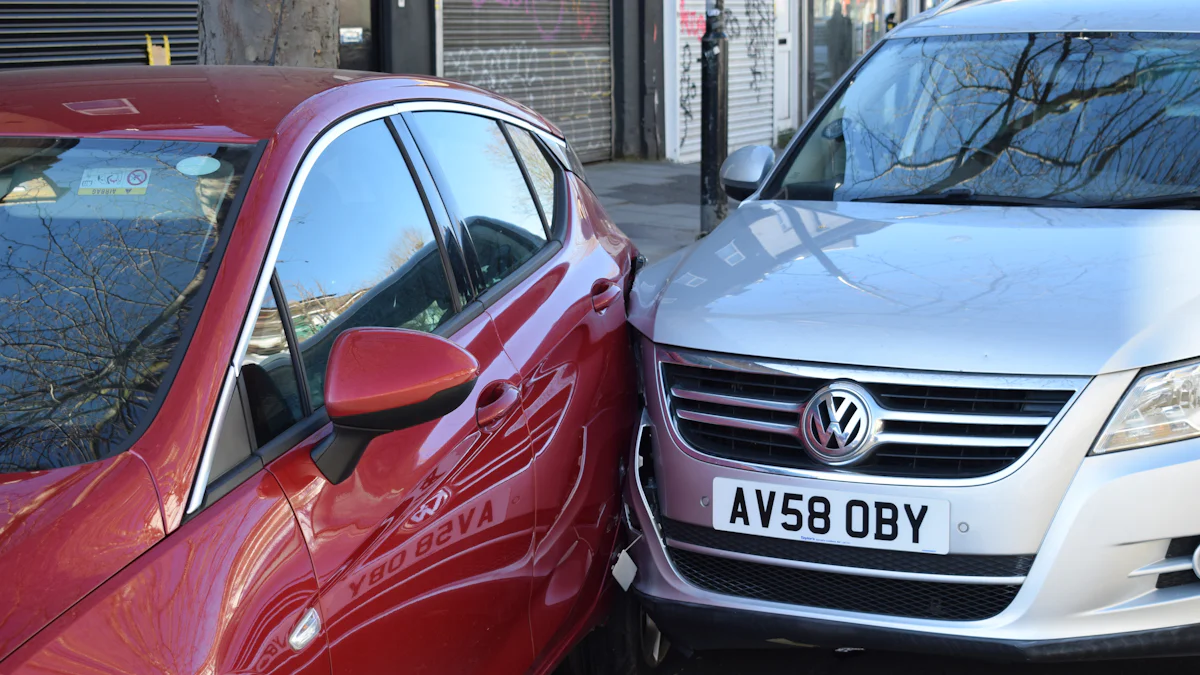
Bodily Injury Liability covers the policyholder's legal responsibility for injuries caused to others in an accident. This coverage pays for medical expenses, lost wages, and legal fees if the policyholder is sued. States often require this type of insurance to ensure that drivers can cover costs related to injuries they cause.
Property Damage Liability
Property Damage Liability pays for damages to another person's property caused by the policyholder. This includes repairs to vehicles, fences, mailboxes, or buildings. Most states mandate this coverage to protect property owners from financial loss due to accidents.
Comprehensive and Collision Coverage
What They Cover
Comprehensive Coverage protects against damages not related to collisions. This includes theft, vandalism, fire, natural disasters, and falling objects. Comprehensive insurance also covers damage from hitting an animal. Collision Coverage pays for damages to the policyholder's vehicle resulting from a collision with another vehicle or object. This coverage applies regardless of who is at fault in the accident.
When to Consider Them
Consider Comprehensive Coverage if the vehicle is new or valuable. This coverage provides peace of mind against non-collision-related incidents. Lenders often require comprehensive insurance for financed or leased vehicles. Collision Coverage is essential for those who want protection against repair costs after an accident. This coverage is beneficial for newer vehicles or those with high repair costs. Evaluate the vehicle's value and personal financial situation to decide on these coverages.
Car Insurance Claims Process

How to File a Claim
Steps to Take After an Accident
- Ensure Safety: Move to a safe location if possible. Check for injuries and call emergency services if needed.
- Contact the Police: Report the accident to the police. Obtain a copy of the police report for the insurance claim.
- Exchange Information: Collect contact and insurance details from all involved parties. Note down names, addresses, phone numbers, and license plate numbers.
- Document the Scene: Take photos of the accident scene, vehicle damages, and any visible injuries. Record the time, date, and weather conditions.
- Notify the Insurance Company: Contact the insurance provider as soon as possible. Provide accurate details about the accident.
Documentation Needed
- Proof of Claim Form: Complete the insurance company's claim form. Include all necessary information and signatures.
- Police Report: Submit a copy of the police report. This document supports the claim and provides an official account of the accident.
- Photos and Videos: Attach photos and videos of the accident scene and damages. Visual evidence strengthens the claim.
- Witness Statements: Collect statements from witnesses. Witnesses provide additional perspectives on the accident.
- Medical Reports: Include medical reports and bills if there are injuries. These documents help in processing medical claims.
What to Expect During the Claims Process
Investigation and Assessment
- Claim Review: The insurance company reviews the submitted claim. An adjuster examines the provided documentation and evidence.
- Inspection: The adjuster inspects the damaged vehicle. The inspection determines the extent of the damage and repair costs.
- Data Usage: The insurance company may use collected data to determine fault. Data from telematics devices or dashcams can influence the decision.
- Legal Responsibility: The adjuster assesses legal responsibility for the accident. The policyholder's coverage for repairing or replacing another person's property is considered.
Settlement and Payout
- Settlement Offer: The insurance company makes a settlement offer based on the assessment. The offer covers repair costs, medical expenses, and other damages.
- Negotiation: Policyholders can negotiate the settlement offer if it seems inadequate. Providing additional evidence can support the negotiation.
- Payout: Once an agreement is reached, the insurance company processes the payout. The payout covers repair costs, medical bills, and other approved expenses.
- Appeal Process: If the claim is denied, policyholders can appeal the decision. Understanding the reason for denial and providing additional documentation can help in the appeal process.
Common Car Insurance Myths
Myth: Red Cars Cost More to Insure
Explanation and Reality
Many people believe that red cars cost more to insure. This myth persists because red cars often stand out on the road. People think that red cars attract more attention from law enforcement. However, insurance companies do not consider car color when calculating premiums. Factors such as the car's make, model, age, and safety features affect insurance costs. Driving history and location also play significant roles in determining premiums.
Myth: Older Cars Don’t Need Comprehensive Coverage
Explanation and Reality
Some drivers think older cars do not need comprehensive coverage. They assume that the lower value of older cars makes this coverage unnecessary. However, comprehensive coverage protects against non-collision-related damages. These include theft, vandalism, fire, and natural disasters. Even older cars can incur significant repair costs from these events. Comprehensive coverage can save drivers from paying out-of-pocket for unexpected damages. Evaluating the car's value and personal financial situation helps in making an informed decision about coverage.
The Impact of Driving Record on Car Insurance
How Traffic Violations Affect Premiums
Minor vs. Major Violations
Traffic violations can significantly impact car insurance premiums. Insurance companies view driving records as indicators of risk. Minor violations, such as speeding tickets or running a stop sign, may lead to moderate premium increases. These infractions suggest a pattern of risky behavior but do not indicate severe recklessness.
Major violations, including DUI (Driving Under the Influence) or reckless driving, result in substantial premium hikes. These offenses demonstrate a higher level of danger and irresponsibility. Insurance providers may even drop coverage for drivers with major violations. Maintaining a clean driving record helps avoid these financial penalties.
The Importance of Maintaining a Clean Record
Long-term Benefits
A clean driving record offers numerous long-term benefits. Drivers with no violations often receive lower insurance premiums. Insurance companies reward safe driving habits with discounts and better rates. Consistently safe drivers are less likely to file claims, reducing costs for insurers.
Maintaining a clean record also enhances eligibility for various discounts. Safe driver discounts and accident-free discounts become accessible. These savings accumulate over time, leading to significant financial benefits. A spotless driving history also improves overall driving safety, reducing the likelihood of accidents and injuries.

Car Insurance Discounts You Might Not Know About
Lesser-Known Discounts
Good Student Discount
Insurance companies often reward students who excel academically. A good student discount provides savings for young drivers. Students with a high GPA can qualify for this discount. Insurance providers recognize that responsible students tend to be safer drivers. This discount can significantly lower premiums for families with student drivers.
Low Mileage Discount
Drivers who use their cars less frequently may qualify for a low mileage discount. Insurance companies offer this discount to those who drive fewer miles annually. Lower mileage reduces the risk of accidents. This makes low-mileage drivers less costly to insure. Tracking annual mileage accurately is crucial for qualifying. Some insurers may require proof of mileage through odometer readings or telematics devices.
How to Qualify for Discounts
Eligibility Criteria
Each discount has specific eligibility criteria. For a good student discount, students must maintain a certain GPA. The required GPA varies by insurer but typically ranges from 3.0 to 3.5. Proof of academic performance, such as report cards or transcripts, is necessary.
For a low mileage discount, drivers must stay below a certain annual mileage threshold. This threshold varies by insurer but often falls between 7,500 and 10,000 miles per year. Accurate record-keeping and verification through odometer readings are essential.
Application Process
Applying for discounts involves several steps. First, gather all necessary documentation. For a good student discount, obtain recent report cards or transcripts. For a low mileage discount, prepare odometer readings or telematics data.
Next, contact the insurance provider. Submit the required documents and request the discount. The insurance company will review the application and verify eligibility. Once approved, the discount will be applied to the policy, reducing the overall premium.
Maximizing car insurance discounts requires awareness and effort. Understanding lesser-known discounts can lead to significant savings. By meeting eligibility criteria and following the application process, drivers can lower their insurance costs effectively.
The Role of Credit Score in Car Insurance
How Credit Score Affects Premiums
Correlation Between Credit and Risk
Insurance companies use credit scores to determine car insurance premiums. Studies show a strong link between credit scores and insurance losses. Drivers with higher credit scores often pay lower premiums. Insurers believe that drivers with good credit are less likely to file claims. Nationwide uses credit-based insurance scores to quote fair rates. About half of Nationwide's customers benefit from lower premiums due to their credit scores.
Root, an insurance company, takes a different approach. Root's premium calculations rely less on credit scores. By 2025, Root plans to eliminate credit scores from its rate determinations. This shift aims to create a fairer pricing model for all drivers.
Improving Your Credit Score for Better Rates
Tips and Strategies
Improving a credit score can lead to better car insurance rates. Here are some strategies to boost a credit score:
- Pay Bills on Time: Timely payments positively impact credit scores. Set up reminders or automatic payments to avoid late fees.
- Reduce Debt: Lowering credit card balances improves credit utilization ratios. Aim to keep balances below 30% of the credit limit.
- Check Credit Reports: Regularly review credit reports for errors. Dispute any inaccuracies with credit bureaus to correct mistakes.
- Limit New Credit Applications: Frequent credit inquiries can lower a credit score. Apply for new credit only when necessary.
- Maintain Old Accounts: Keeping older credit accounts open helps build a long credit history. A longer credit history can positively affect a credit score.
Following these tips can help drivers improve their credit scores. Better credit scores can lead to lower car insurance premiums.
Comparing Car Insurance Policies
What to Look for in a Policy
Coverage Options
When comparing car insurance policies, examine the coverage options. Look for liability insurance, which covers damages to others if the policyholder causes an accident. Consider comprehensive and collision coverage. Comprehensive insurance protects against non-collision-related damages like theft and natural disasters. Collision insurance covers damages from accidents with other vehicles or objects. Evaluate personal injury protection and medical payments coverage. These cover medical expenses for the policyholder and passengers regardless of fault.
Exclusions and Limitations
Policies often have exclusions and limitations. Identify what the policy does not cover. Common exclusions include intentional damage, wear and tear, and using the vehicle for commercial purposes. Understand the limitations on coverage amounts. Some policies cap the amount paid for specific types of claims. For instance, liability coverage may have limits on bodily injury and property damage payouts. Knowing these details helps avoid surprises during the claims process.
Tools and Resources for Comparison
Online Comparison Tools
Online comparison tools simplify the process of evaluating car insurance policies. Websites like NerdWallet and The Zebra allow users to input their information and receive quotes from multiple insurers. These tools provide side-by-side comparisons of coverage options and premiums. Users can adjust coverage levels and see how changes affect costs. Online tools also highlight discounts and special offers available from different insurers.
Consulting an Insurance Agent
Consulting an insurance agent offers personalized assistance. Agents can explain complex policy details and answer questions. They help identify the best coverage options based on individual needs. Agents also provide insights into lesser-known discounts and ways to lower premiums. Meeting with an agent ensures a thorough understanding of the policy. This approach complements online comparison tools by adding a human touch to the decision-making process.
Future Trends in Car Insurance
Usage-Based Insurance
How It Works
Usage-Based Insurance (UBI) calculates premiums based on driving behavior. Insurers use telematics devices or smartphone apps to collect data. The data includes speed, braking patterns, and mileage. Safe driving habits lead to lower premiums. Shorter commutes also result in cost savings.
Pros and Cons
UBI offers several benefits. Drivers with safe habits pay less. Shorter commutes reduce costs. UBI programs rely less on credit scores. This makes UBI ideal for drivers with bad credit. For example, Allstate’s Drivewise program rewards safe driving. Progressive’s Snapshot program provides an average discount of $94 at signup.
However, UBI has drawbacks. Privacy concerns arise from data collection. Some drivers may feel monitored. Not all insurers offer UBI. Limited availability restricts options. High-risk drivers may not benefit from UBI. Unsafe driving habits can increase premiums.
The Impact of Autonomous Vehicles
Changes in Coverage Needs
Autonomous vehicles will change insurance needs. Human error causes most accidents today. Autonomous systems aim to reduce these errors. Fewer accidents may lower premiums. Liability may shift from drivers to manufacturers. Insurers will need new policies for these changes.
Industry Predictions
Experts predict significant industry shifts. Autonomous vehicles will require specialized coverage. Insurers must adapt to new risks. Policies will focus on software and hardware failures. Traditional coverage may become less relevant. The industry will evolve to meet these new demands.
"The future of car insurance lies in adapting to technological advancements," says an industry expert. "Insurers must innovate to stay relevant."
In summary, UBI and autonomous vehicles represent the future of car insurance. These trends will reshape the industry. Drivers and insurers must prepare for these changes.
Understanding car insurance is crucial for every driver. Reviewing personal policies ensures adequate coverage and financial protection. Knowledge of policy details guides responses during accidents. Separating myths from facts about car insurance helps in making informed decisions. Staying informed about car insurance trends and discounts can lead to significant savings. Regularly updating knowledge about car insurance maintains optimal coverage and peace of mind.
0 Comments